
Visual documentation of our engineering excellence
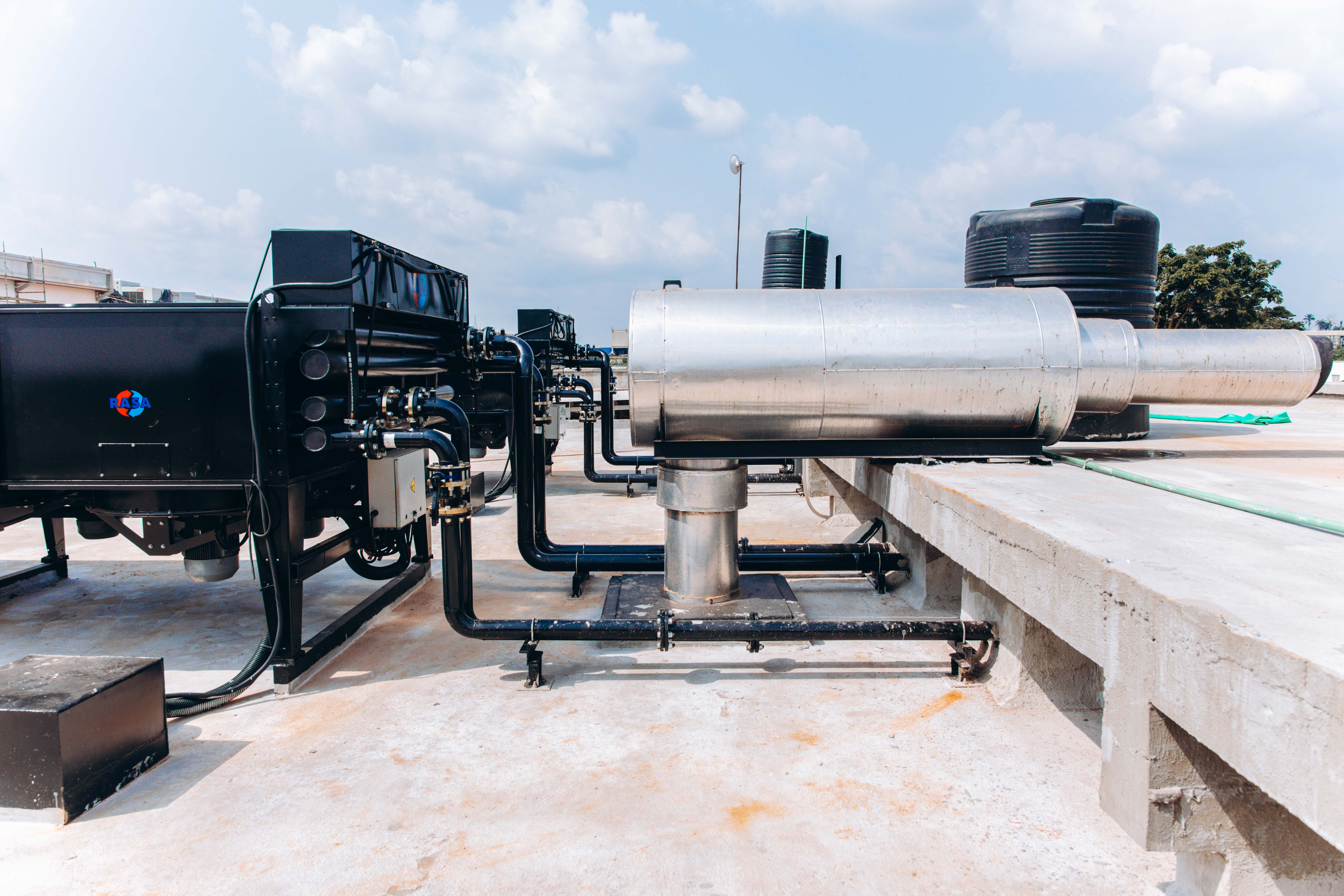
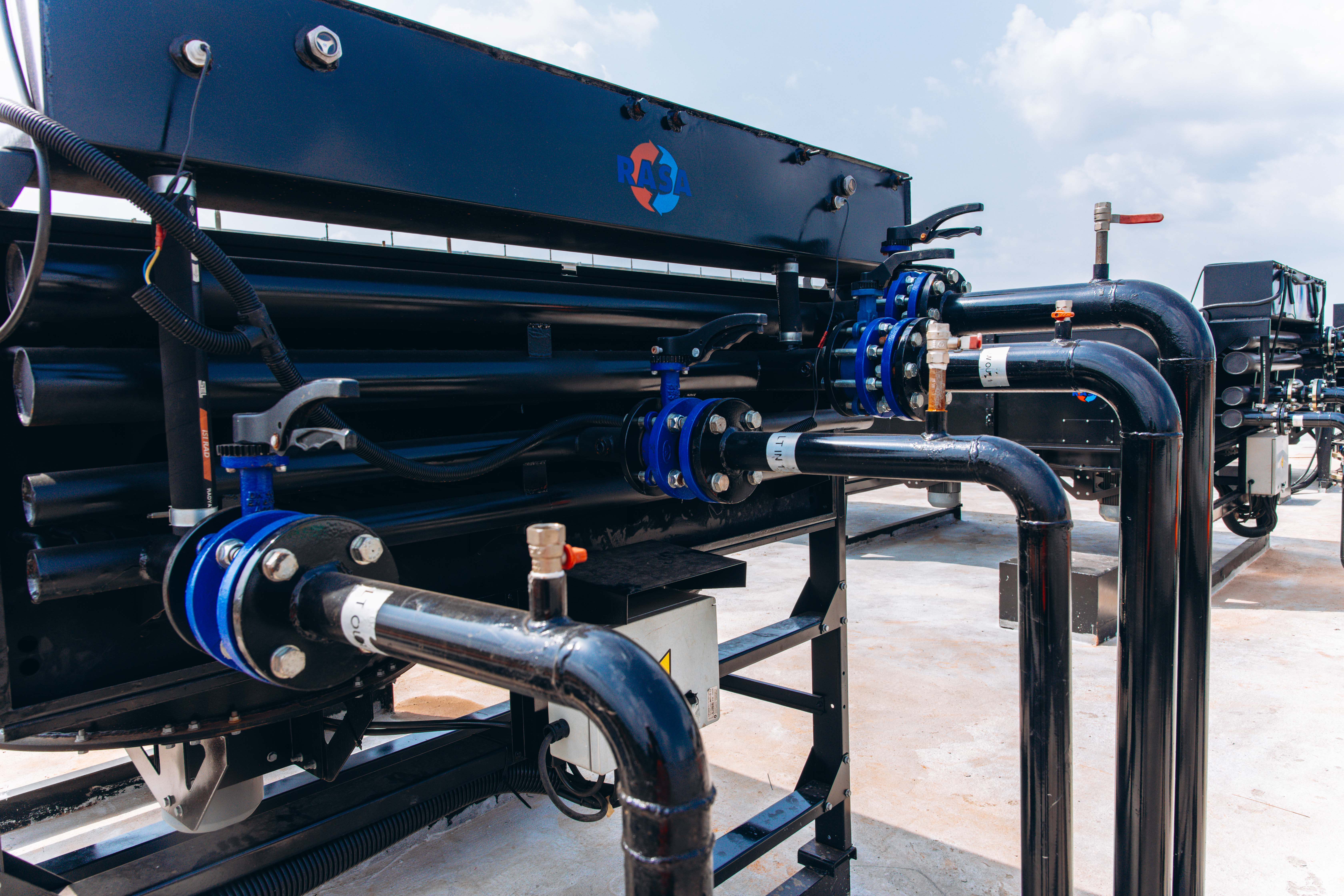
Radiator of a Gas Generator
Radiator of a Gas Generator
The radiator in a gas generator is a critical cooling component that removes excess heat from the engine to prevent overheating and ensure continuous operation.
Gas generators use internal combustion engines that generate significant heat during operation. The radiator manages this heat efficiently.
🔹 1. What the Radiator Does
During operation:
The engine burns gas (natural gas/LPG).
Combustion generates high temperature.
Coolant (water + antifreeze) absorbs engine heat.
Heated coolant flows into the radiator.
The radiator releases heat into the air using cooling fins and a fan.
Cooled liquid returns to the engine.
This cycle continues while the generator runs.
2. Main Parts of a Generator Radiator
A. Radiator Core
Aluminium or copper core
Contains tubes and cooling fins
Transfers heat to air
🌬 B. Cooling Fan
Engine-driven or electric
Forces air through radiator fins
💧 C. Coolant Tank
Stores coolant
Maintains pressure balance
🔄 D. Thermostat
Controls coolant flow based on temperature
🛑 E. Temperature Sensor
Sends signal to control panel
Triggers alarm/shutdown if overheating
Category: Mechanical
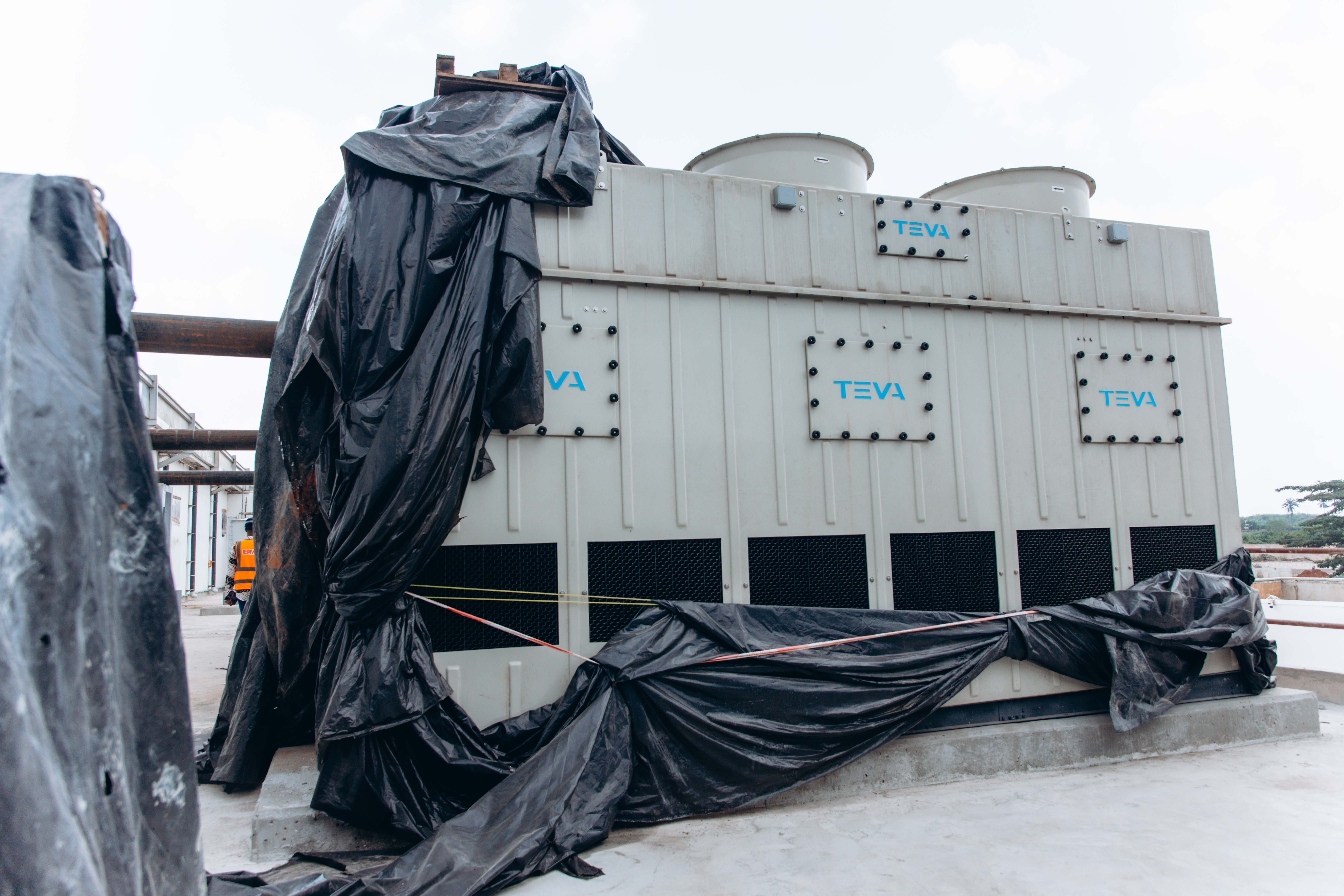
Cooling Tower for Water Cooled Chillers
installation of a large industrial cooling unit or HVAC chiller system installed outdoors on a concrete platform.
Cooling towers for water-cooled chillers remove heat from the condenser water loop through evaporation, providing 10-15% higher energy efficiency than air-cooled systems. They work by spraying hot water over fill media while air flows through it, cooling the water to be returned to the chiller. These systems are essential for large-scale industrial and commercial HVAC applications.
Key Components and Functionality
Heat Rejection: The cooling tower acts as a heat exchanger, transferring heat absorbed from the chiller's refrigerant to the atmosphere.
Process: Warm condenser water is pumped to the tower, sprayed over fill material to maximize surface area, and cooled via evaporation as air passes through it.
Types: Common configurations include counterflow and crossflow towers.
Efficiency: Because water is a better heat conductor than air, these systems are more energy efficient.
Category: Mechanical
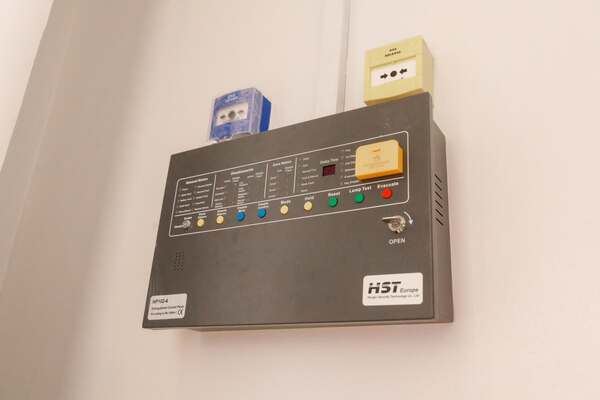
Fire Alarm System
This image shows a wall-mounted fire alarm control panel (FACP) installed indoors, likely in a commercial or industrial building.
🔍 Visible Features:
A metal enclosure with a lockable door (key switch labeled “OPEN”).
Multiple indicator LEDs (green, red, yellow, blue) showing system status such as:
Power
Fire alarm
Fault
Zone indicators
A small digital display screen for status codes or system messages.
Control buttons for functions like reset, silence, or test.
A label reading HST Fire, indicating the manufacturer.
Two small wall-mounted devices above it, likely:
A manual call point interface or zone indicator
A small alarm indicator or communication module
🔥 What This System Does
A fire alarm control panel is the central monitoring and control unit of a building’s fire detection system. It:
Monitors smoke detectors, heat detectors, and manual call points
Activates sirens and strobe lights during fire events
Displays fault conditions (e.g., wiring issue or detector problem)
Allows authorized personnel to reset or silence alarms
Category: Electrical
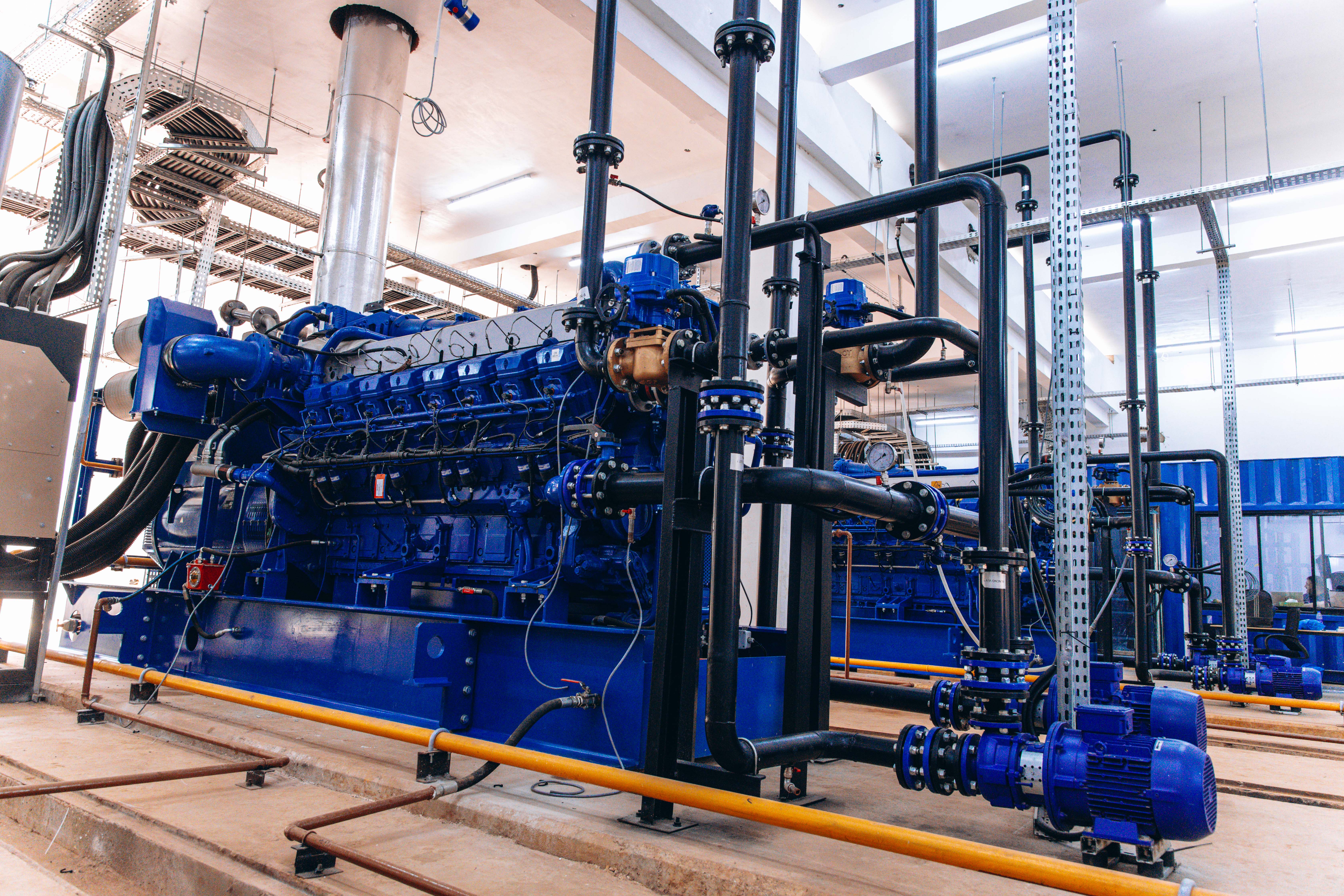
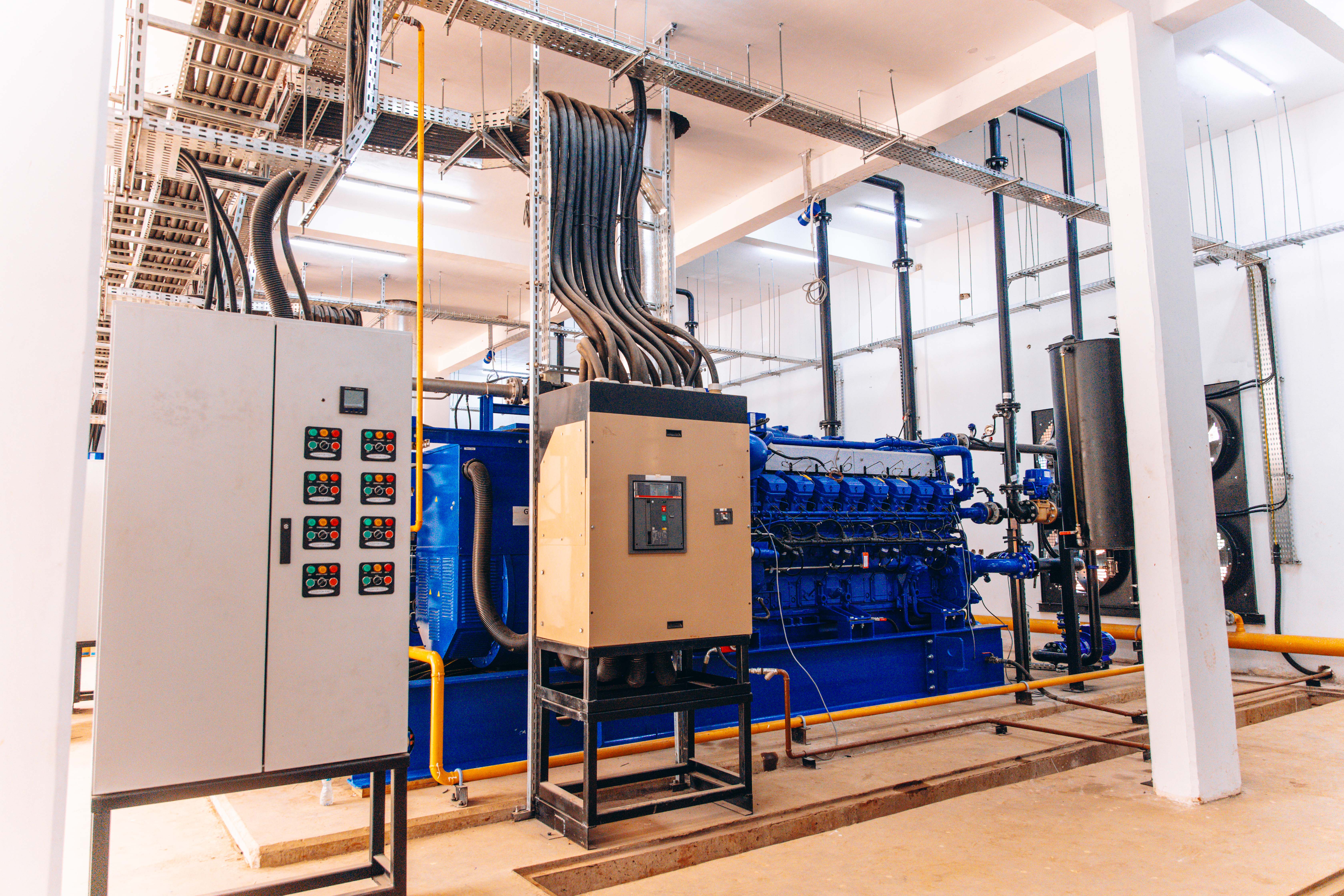
Industrial Gas Generator
State-of-the-art equipment industrial gas generator set, similar to models used in power generation facilities such as the MWM TCG 2020 V16k.
Application: Used for natural gas, biogas, and industrial gas power generation.
Efficiency: Can achieve high overall efficiency, sometimes up to 86%.
System Components: Includes an internal combustion engine, alternator for electricity conversion, and a fuel system.
Uptime: Designed for continuous operation, with some models requiring an overhaul only after 8,000 hours per year.
Category: Mechanical
Industrial MEP
Industrial facility systems
Category: Industrial
Industral Complex
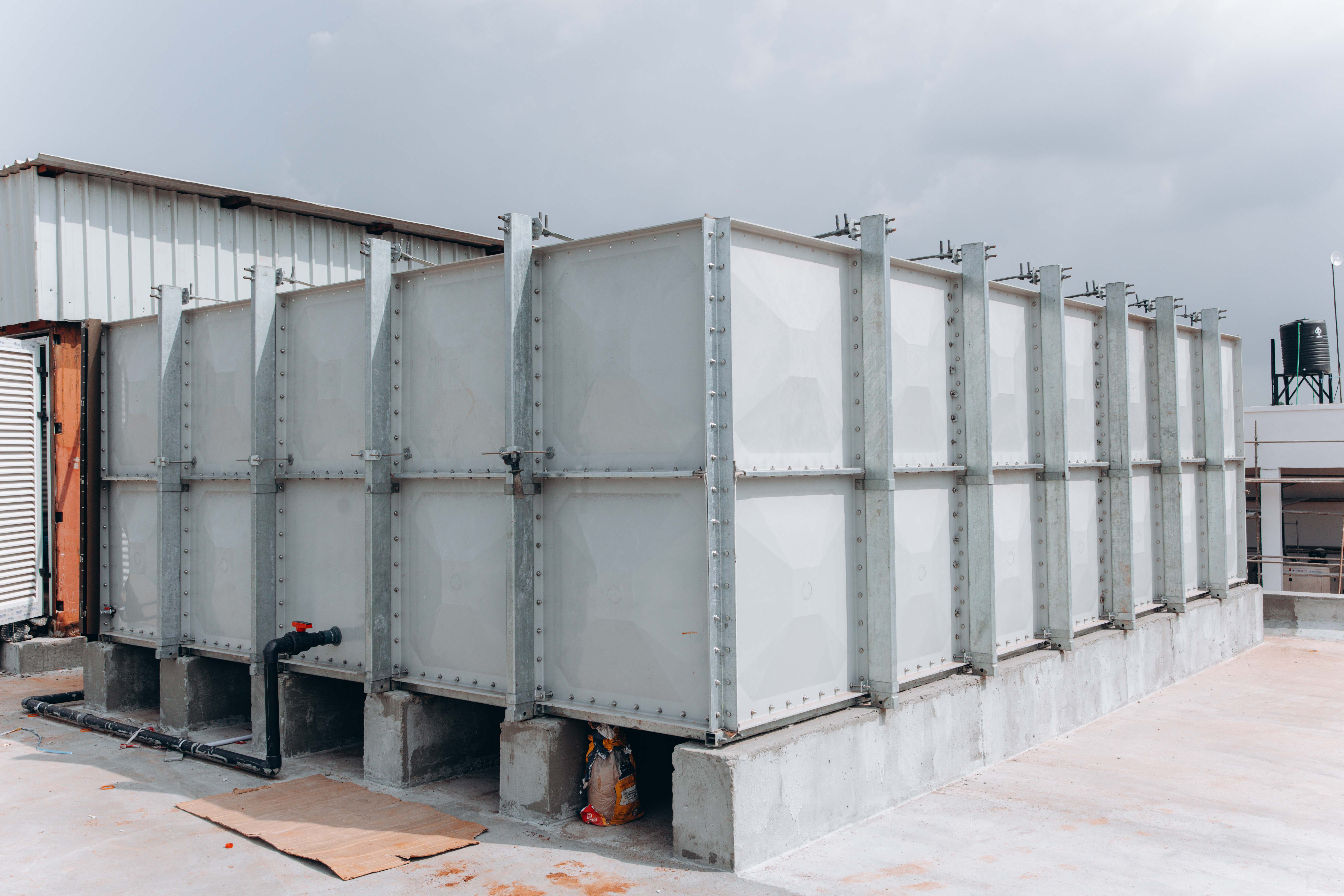
a large sectional water storage tank installed on a rooftop or elevated concrete platform.
🔍 Key Features:
The tank is made up of modular rectangular panels, bolted together.
Reinforced with vertical galvanized steel supports around the perimeter.
Mounted on raised concrete beams, leaving space underneath.
A visible inlet/outlet pipe with a valve at the lower left corner.
The panel design suggests a GRP (Glass Reinforced Plastic) or pressed steel sectional tank.
The surrounding area appears to be a building rooftop service zone.
💧 What This System Is Used For
This is likely a cold water storage tank used for:
Domestic water supply in multi-storey buildings
Fire-fighting reserve water
Process water storage
Booster pump feeding system
In commercial or residential buildings, rooftop tanks like this store water pumped from ground level and then distribute it by gravity.
Category: Plumbing
HVAC SYSTEM
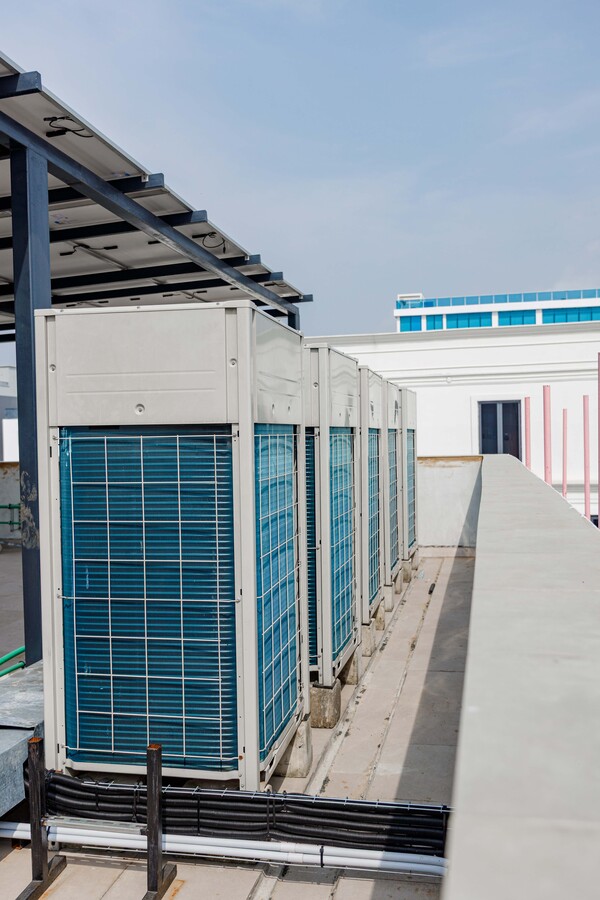
A row of outdoor air-cooled HVAC condenser units installed on a rooftop or elevated service corridor of a commercial building.
🔍 Key Features:
Multiple tall, rectangular air-conditioning condenser units arranged in a line.
Each unit has blue finned condenser coils protected by metal grilles.
Units are mounted on raised concrete bases for stability and vibration control.
Electrical and refrigerant piping runs neatly along the base in cable trays.
A metal canopy structure above provides partial shade and weather protection.
A nearby building structure with windows suggests a commercial or institutional facility
Category: Hvac
Control Panel for Gas Generators
A control panel for gas generators is the central monitoring and management unit that regulates, protects, and automates a gas-powered generator system. It ensures safe startup, stable power output, and automatic shutdown in case of faults.
🔹 1. What is a Gas Generator Control Panel?
A gas generator control panel is an electrical enclosure that contains:
Monitoring instruments
Protection devices
Automation modules
Control switches
Communication systems
It manages the generator engine (gas-powered), alternator, and power distribution system.
4. Safety Features (Very Important)
A professional gas generator panel must include:
High engine temperature shutdown
Low oil pressure shutdown
Overspeed protection
Over/under voltage protection
Over/under frequency protection
Gas leak detection integration
Emergency stop button
Category: Electrical
Tell us about your project and we'll get back to you within 24 hours
Your information is secure and confidential
We use cookies to enhance your browsing experience, serve personalized content, and analyze our traffic. By clicking "Accept All", you consent to our use of cookies. Learn more
We use different types of cookies to optimize your experience on our website. Click on the categories below to learn more and customize your preferences.
These cookies are essential for the website to function properly. They enable basic functions like page navigation, access to secure areas, and remember your cookie preferences.
These cookies help us understand how visitors interact with our website by collecting and reporting information anonymously. This helps us improve our website performance.
These cookies are used to track visitors across websites and display ads that are relevant and engaging. They may be set by us or third-party providers.